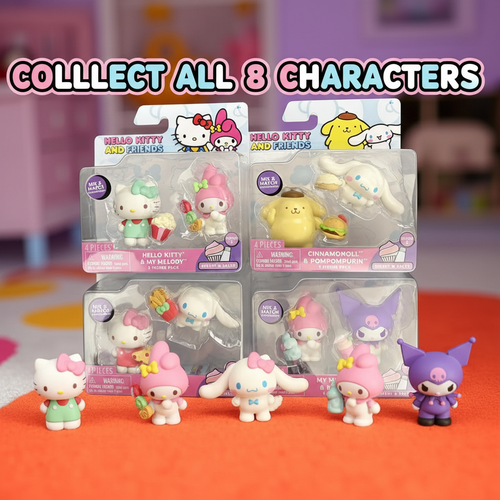
Playing with toys vs. video games for kids
Toys vs. Video Games: What's Actually Better for Your Child?
It's one of the most common debates in modern parenting: should kids be playing with physical toys or video games? The answer, backed by child development research, is nuanced — but physical play with character toys offers benefits that screens simply can't replicate.
This isn't about demonizing video games. It's about understanding what each type of play offers, so you can make informed choices for your child's growth and wellbeing.
What Physical Toy Play Offers That Screens Don't
Tactile & Sensory Experience
Physical toys engage the body in ways screens never can. Holding, posing, squeezing, and arranging toys develops fine motor skills, hand-eye coordination, and sensory processing. This is especially critical in the early years (ages 2–7) when the brain is rapidly building neural pathways through physical interaction with the world.
Toys like the Heroes of Goo Jit Zu Mini Verses Pack — with their unique squishy, stretchable texture — provide rich tactile feedback that no screen can match. Similarly, the Cookeez Makery Pancake Treatz Interactive Plush engages touch, smell, and sight simultaneously.

Open-Ended Imaginative Play
Video games have rules, objectives, and predetermined outcomes. Physical toys — especially action figures and character playsets — have none of those constraints. Children create their own rules, invent their own stories, and direct their own outcomes. This kind of unstructured play is directly linked to stronger executive function, creativity, and problem-solving skills.
The Mr Beast Lab Hybrids Mix & Match Action Figure is a perfect example: kids can combine parts in endless ways, creating entirely new characters and storylines from their own imagination.

Social & Cooperative Play
Physical toys naturally bring children together in the same space. Trading collectibles, building shared playset worlds, and showing off new figures are all inherently social activities that build communication, negotiation, and friendship skills. Mystery packs like Mr. Beast Lab Swarms 2-Pack and Mini Brands capsules are especially popular for trading and sharing.

Screen-Free Downtime
Pediatricians and sleep researchers consistently recommend limiting screen time, especially in the hours before bed. Physical toy play provides engaging, stimulating activity that doesn't interfere with melatonin production or sleep quality. A child playing with their Bluey plush or arranging their Demon Slayer mini plush collection before bed is winding down in a healthy way.

Where Video Games Have an Edge
To be fair, video games do offer some genuine benefits. They can develop strategic thinking, hand-eye coordination (through controllers), and even social connection through online multiplayer. Educational games can reinforce math, reading, and problem-solving skills in engaging formats.
The key is balance and age-appropriateness. The American Academy of Pediatrics recommends no screen time for children under 18–24 months (except video calls), 1 hour per day for ages 2–5, and consistent limits for older children.
The Best Approach: Physical Toys First, Screens in Balance
Child development experts consistently recommend prioritizing physical, hands-on play — especially in the early years — while allowing age-appropriate screen time as a complement, not a replacement. Character toys that connect to shows or games children love (like Bluey, MrBeast, or Demon Slayer) bridge both worlds: they extend the stories children love from screens into physical, imaginative play.

For more on how physical play supports development, read our guide on How Imaginative Play with Action Figures Supports Child Development, or explore Playsets vs. Action Figures to find the right toy type for your child.
Ready to invest in quality play? Browse our full collection of licensed character toys — all chosen for developmental value, safety, and the kind of play that kids actually love.
Frequently Asked Questions
Are physical toys better than video games for child development?
For most developmental outcomes — especially in early childhood — physical toys offer advantages that screens can't replicate: tactile development, open-ended imaginative play, and face-to-face social interaction. Video games can complement physical play but shouldn't replace it, particularly for children under age 8. The American Academy of Pediatrics recommends prioritizing hands-on play and limiting screen time for young children.
How much screen time is appropriate for kids?
The American Academy of Pediatrics recommends no screen time for children under 18–24 months (except video calls), no more than 1 hour per day of high-quality programming for ages 2–5, and consistent, reasonable limits for children ages 6 and older. Physical toy play is an excellent screen-free alternative that supports healthy development.
What toys are good alternatives to video games for kids?
The best screen-free alternatives are toys that engage children's imagination and keep them actively involved. Action figures, character playsets, mystery collectibles, and interactive plush toys are all excellent choices. Toys tied to characters children already love — like Bluey, MrBeast Lab, or Heroes of Goo Jit Zu — are especially effective because they extend the stories kids love into physical play.

Can toys and video games work together?
Absolutely. Many of today's most popular character toys are based on shows, movies, or games that children already love. Playing with a Bluey playset after watching the show, or collecting MrBeast Lab figures after watching MrBeast videos, extends screen experiences into physical, imaginative play. This kind of cross-media play can actually deepen engagement and creativity.
What age should kids start playing with action figures instead of video games?
Action figures are appropriate from around age 4 (check individual age ratings for small parts). They're an excellent choice at any age as a screen-free play option. For children under 4, large plush character toys and interactive playsets are ideal alternatives to screen time that still connect to beloved characters.